
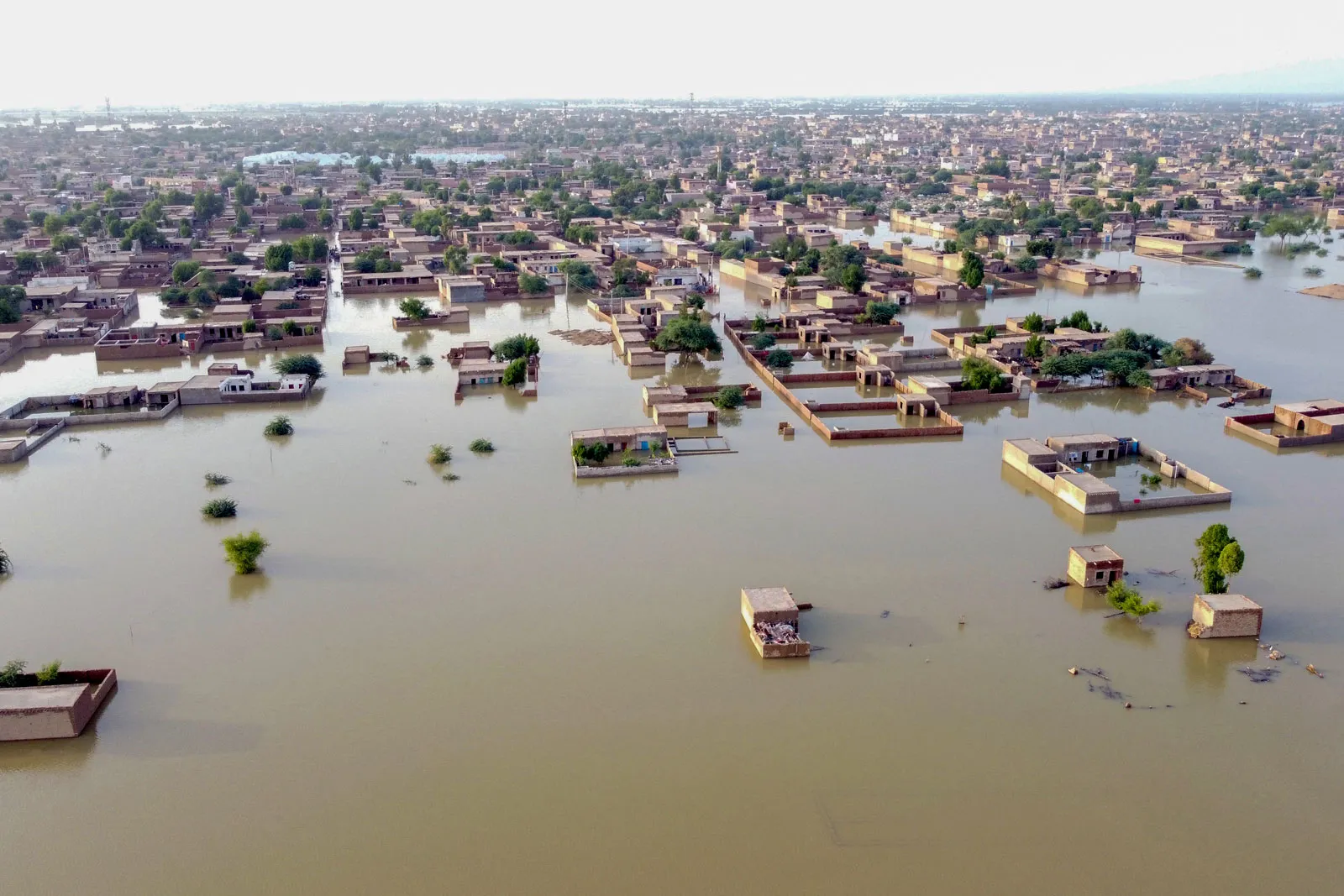
The floods of 2025 were a climate-induced disaster of an unprecedented scale, causing widespread destruction to Pakistan’s people, infrastructure, and economy. This catastrophe has left a lasting impact, reversing years of development and plunging millions into poverty.
The floods that ravaged Pakistan in 2025 were a catastrophe of unprecedented scale, leaving a trail of destruction that extended beyond simple numbers to impact the very fabric of society. This disaster, amplified by climate change, was a stark reminder of the country’s vulnerability. From the human toll to the decimation of its economy, the effects were both immediate and long-lasting.
The Human and Social Cost
The human toll was immediate and devastating. The floods affected over 33 million people, displacing millions from their homes. Approximately 1,700 people lost their lives, with children and women bearing the brunt of the tragedy. Women faced a severe lack of privacy and access to basic hygiene products, while an estimated 3.4 million children were left in urgent need of life-saving support, facing high risks of malnutrition and disease. The trauma of losing loved ones, homes, and livelihoods has left a lasting psychological scar on countless individuals.
The widespread presence of stagnant water created a major public health crisis. There were significant outbreaks of water-borne diseases like cholera, typhoid, and dengue fever, further compounding the misery of displaced communities.
Destruction of Property and Infrastructure
The sheer scale of property damage was staggering. Over 2 million homes were either partially or completely destroyed, leaving families without shelter. The country’s infrastructure was also crippled, with more than 13,000 kilometers of roads and 439 bridges wiped out. This not only hindered rescue and relief efforts but also isolated entire communities, making it incredibly difficult to deliver aid and resources to those who needed them most.
The Agricultural and Economic Fallout
As a primarily agricultural nation, Pakistan’s economy was dealt a severe blow. The floods hit during the crucial monsoon season, destroying over 9.4 million acres of crops, including major staples like cotton, rice, and sugarcane. This agricultural devastation was compounded by the loss of over 1.2 million livestock, which are a vital source of income and food for rural populations.
The economic repercussions were felt nationwide. The total estimated damage and economic losses were a staggering $30 billion, surpassing the country’s entire development budget for the previous year. This destruction, combined with disruptions to supply chains, fueled a sharp rise in food prices, pushing the national inflation rate to a record high of 38%. The floods also had a catastrophic impact on poverty, potentially pushing an additional 9 million people below the poverty line and wiping out years of development progress.
The destruction of crops and livestock, and the subsequent inflation, have created a dire situation for millions of Pakistanis. The road to recovery will be a long and challenging one, requiring a monumental effort to rebuild the economy and restore the lives of those affected.