
The Middle East is once again teetering on the edge of full-blown chaos. The escalating conflict between Iran and Israel is no longer a distant regional issue—it is a direct threat to economic stability across Asia, including Pakistan. While Pakistan is not a direct participant in this war, the ripple effects of rising oil prices, geopolitical instability, and global market fluctuations are already starting to weigh heavily on its economy.
The Oil Shock: Fuel Prices on the Rise
One of the most immediate consequences of the Iran-Israel conflict has been a surge in global oil prices. Iran, being one of the largest oil producers in the region, plays a pivotal role in global supply chains. Any disruption in its exports—either through sanctions, attacks on infrastructure, or shipping disruptions in the Strait of Hormuz—translates directly into price hikes.
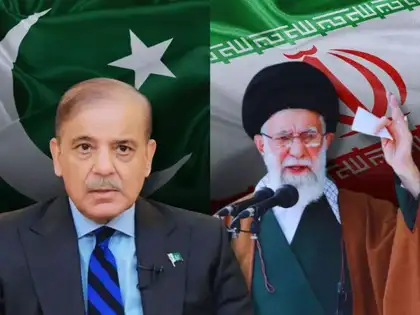
In Pakistan, which imports over 80% of its oil, the consequences are stark. Petrol prices have already seen multiple adjustments in recent weeks. Experts warn that if the conflict continues or escalates, the per-liter price of petrol and diesel could surpass previous records. This fuels inflation across all sectors—from transport to food to electricity.
Inflation: The Silent Killer of Middle-Class Stability
Inflation in Pakistan was already in double digits before the Middle East erupted in flames. Now, with oil prices rising and import costs increasing, inflation is spiraling further. The consumer price index (CPI) has begun to reflect this trend with surges in food, fuel, and utility costs.
Staples like flour, cooking oil, and vegetables are becoming harder to afford for the average household. Transport fares have increased. Industries reliant on fuel—especially logistics, agriculture, and manufacturing—are forced to pass these costs onto consumers, worsening the burden on the public.
Business Confidence Plummets Amid Global Uncertainty
Beyond the immediate cost-of-living crisis, the Iran-Israel war is sowing seeds of long-term uncertainty in Pakistan’s already fragile business environment. Investors and entrepreneurs are growing more cautious as geopolitical risks rise. International investors are wary of committing to new projects in a region exposed to volatility.
Pakistan’s own exports could also take a hit. Many of the country’s trading routes and economic relations are linked to Gulf countries. Any instability in the region disrupts freight movement and threatens remittances from millions of overseas Pakistani workers in the Middle East.
Moreover, the Pakistani Rupee has begun to show signs of pressure again as oil import bills swell, further dampening investor sentiment and forcing businesses to hold off on expansions or capital spending.
The Domino Effect: From Conflict to Crisis
The war may be thousands of kilometers away, but its aftershocks are being felt right here, right now. A volatile Middle East means more than just rising oil prices. It spells reduced consumer confidence, falling investment, job losses, and worsening poverty—at a time when Pakistan is already under an IMF program and grappling with record external debt.
If the conflict persists or spreads, Pakistan will likely have to revise its economic forecasts for FY2025-26. The government may be forced to increase subsidies or provide relief packages—adding more pressure to an already constrained fiscal space.