
There are unambiguous signs that Pakistan’s economy is improving. In August 2025, inflation dropped to about 3% from 4.1% in July, which increased confidence in businesses and households alike Xinhua News Arab News. Additionally, remittance inflows increased, which helped create a current account surplus and raised SBP reserves to between $14 and $14.5 billion Dawn Pakistan Today Profit. The SBP predicts GDP growth in FY26 to be between 3.25% and 4.25%, which is optimistic for both business and policymakers given the strengthening macroeconomic stability.
The Textile Industry at a Turning Point
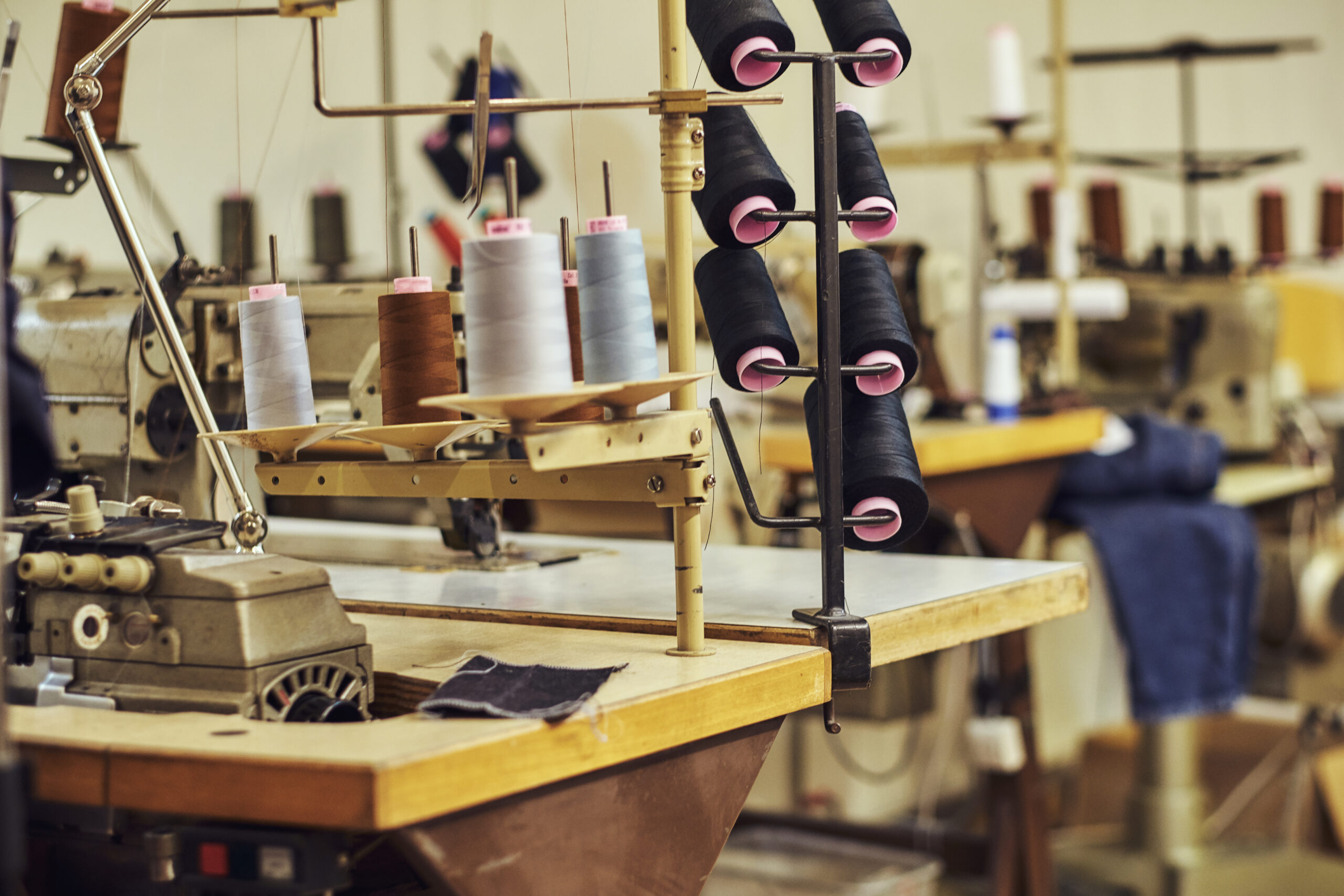
The foundation of Pakistan’s export economy, the textile industry, is nonetheless hindered by high input prices and unequal state support, notwithstanding these encouraging developments. SBP Governor Jameel Ahmad recognized the progress done in stabilizing the economy, including record remittances and increased reserves, during the annual meeting of the Pakistan Textile Council in Pakistan Today Profit. Leaders in the textile sector, however, stressed that heavy taxes and the exclusion of essential raw materials from the Export Facilitation Scheme (EFS) are hurting export competitiveness. In order to modernize operations, the industry demanded simplified regulations including lower import taxes, refundable sales tax (3–5%), a consistent 1% duty drawback, and subsidized financing.
Why This Matters
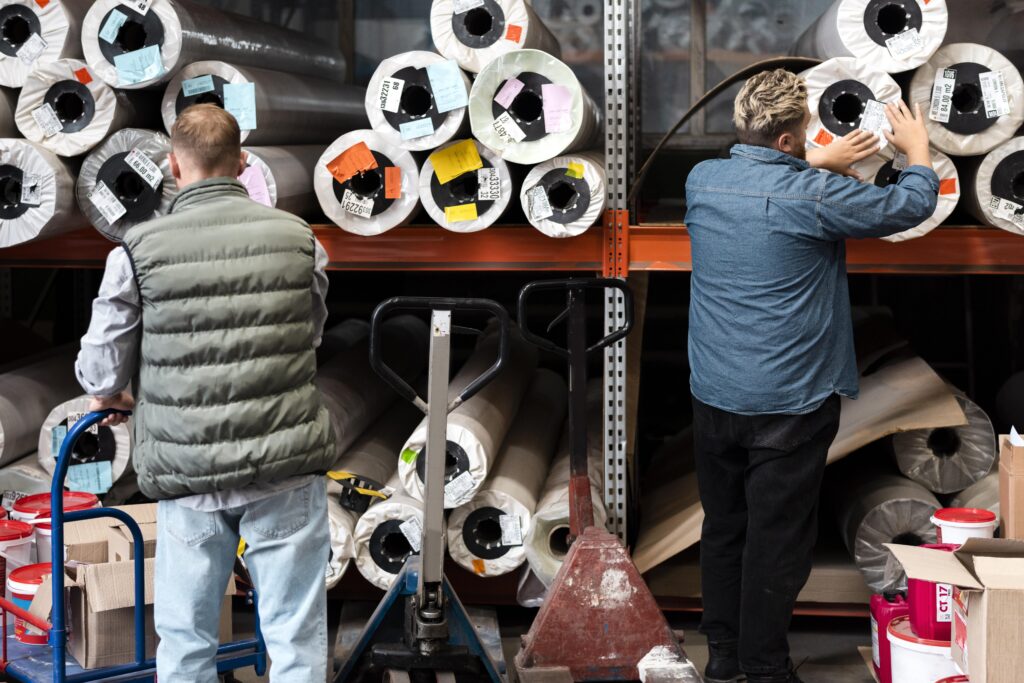
Pakistan’s employment and foreign exchange earnings are heavily reliant on the textile industry. The industry runs the risk of falling behind rivals at a time when macroeconomic challenges are lessening if these structural barriers are not promptly resolved. In addition to restoring profitability, strategic changes like as extending the inclusion of raw materials in EFS, streamlining customs, and providing concessional finance might potentially unlock value-added exports and spur industrial growth.
There is currently a rare chance for policymakers to match microeconomic reforms with macroeconomic stability. Pakistan should take advantage of its improved economic conditions to increase exports, create jobs, and strengthen industrial resilience by promoting textile-friendly policies. The economic recovery in FY26 may be based on this plan, which would turn the textile industry into a real growth engine for the nation.