Skip to content
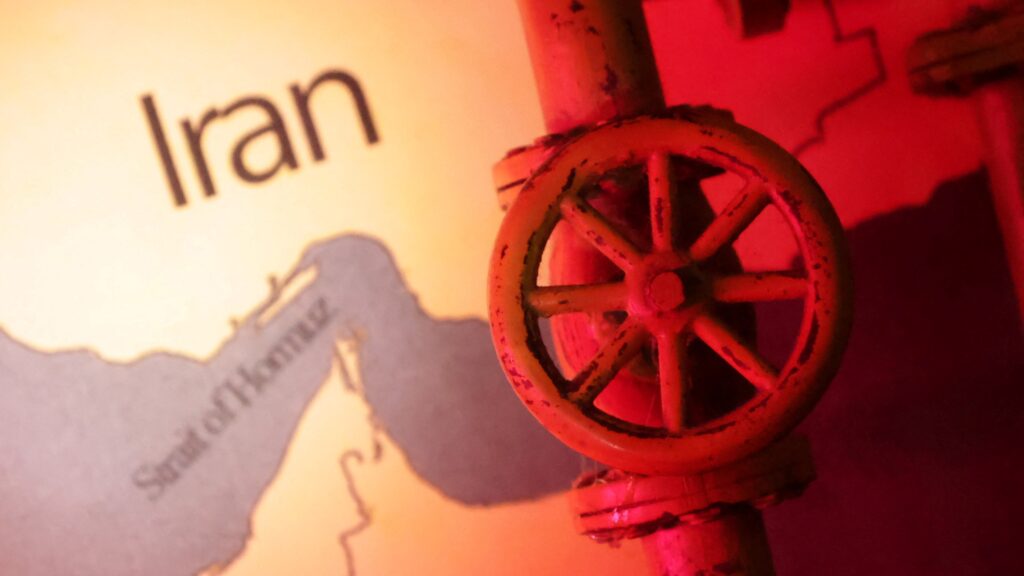
- A narrow waterway between Iran and Oman, connecting the Persian Gulf to the Arabian Sea.
- It is one of the most strategically important chokepoints in the world for oil transport.
Global Business Impact of the Strait of Hormuz
1. Oil Supply and Prices
- Around 20% of the world’s oil passes through this strait daily — nearly 17 million barrels.
- Disruptions (due to conflict, sanctions, or blockades) can:
- Lead to supply shortages.
- Cause spikes in global oil prices.
- Increase transportation and production costs worldwide.
2. Inflation and Production Costs
- Higher oil prices increase the cost of:
- Transportation (for goods and services).
- Manufacturing (energy-intensive industries).
- Utilities and heating (especially in Europe and Asia).
- This contributes to global inflation, affecting consumer buying power and business operations.
3. Shipping and Trade Routes
- The strait is not just for oil; it’s a busy shipping lane.
- If threatened, insurers increase war risk premiums for vessels.
- Ships may reroute, causing delays and increased shipping costs.
- This affects the global supply chain, especially Asia-Europe and Asia-America routes.
4. Investor and Market Sentiment
- Geopolitical tension around Hormuz (e.g., US-Iran or Israel-Iran conflicts) causes:
- Stock market volatility.
- Investors to shift to safe havens like gold or USD.
- Businesses to delay investment decisions due to uncertainty.
5. Energy-Dependent Industries
- Countries like India, China, Japan, and European nations rely heavily on Middle Eastern oil.
- Industries such as automotive, aviation, and shipping suffer when energy becomes expensive or scarce.
Strategic Responses by Businesses and Nations
- Diversifying oil sources (e.g., from the U.S., Russia, Africa).
- Investing in renewables and LNG terminals.
- Building strategic oil reserves.
- Securing alternative trade routes like pipelines bypassing the Strait.
Real-World Examples
- 2019 Tanker Attacks: Attacks on oil tankers raised oil prices by nearly 10% overnight.
- Israel-Iran tensions (2024-2025): Caused fears of closure, leading to global oil price volatility and concerns over recession.
