
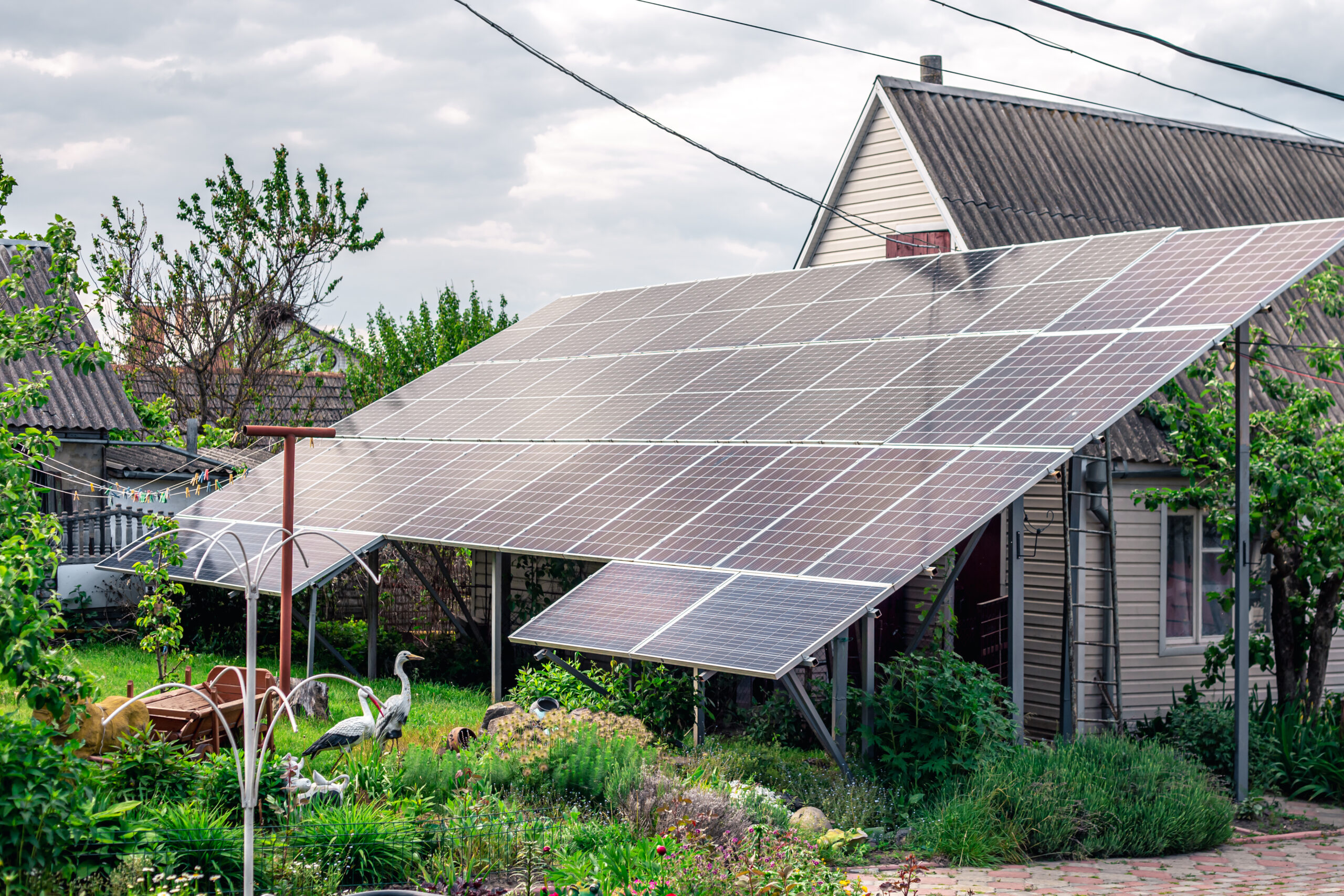
The scenario of solar energy in Pakistan has changed dramatically. Solar and battery systems, which were once thought to be specialized, are now lowering energy costs and decreasing dependency on foreign fuels (World Economic Forum). One of South Asia’s quickest renewable transitions, solar’s contribution of the electricity mix increased from roughly 4% in 2021 to over 10% by 2024 (Yale E360, Financial Times). However, this quick ascent also presents new difficulties, pushing the boundaries of affordability, regulatory clarity, and grid stability.
Significant government actions were driven by the surge in low-cost solar imports, which reached 17 GW in 2024 alone. Among the actions were the imposition of new import taxes and the reduction of net-metering buyback prices from Rs27 to Rs10 per unit (Financial Times). These rules run the danger of impeding uptake, especially among lower-income households, despite their intended goal of protecting grid finances. Experts also point out difficulties like:
- Distribution lines that are overloaded at off-peak hours.
- In solar-rich areas such as Thar and Balochistan, there is inadequate transmission infrastructure.
- Utility revenue is under stress as a result of changing demand patterns (Financial Times, IGC).
Pakistan’s current energy crossroads is defined by this policy balancing act between promoting renewable energy sources and safeguarding grid health.
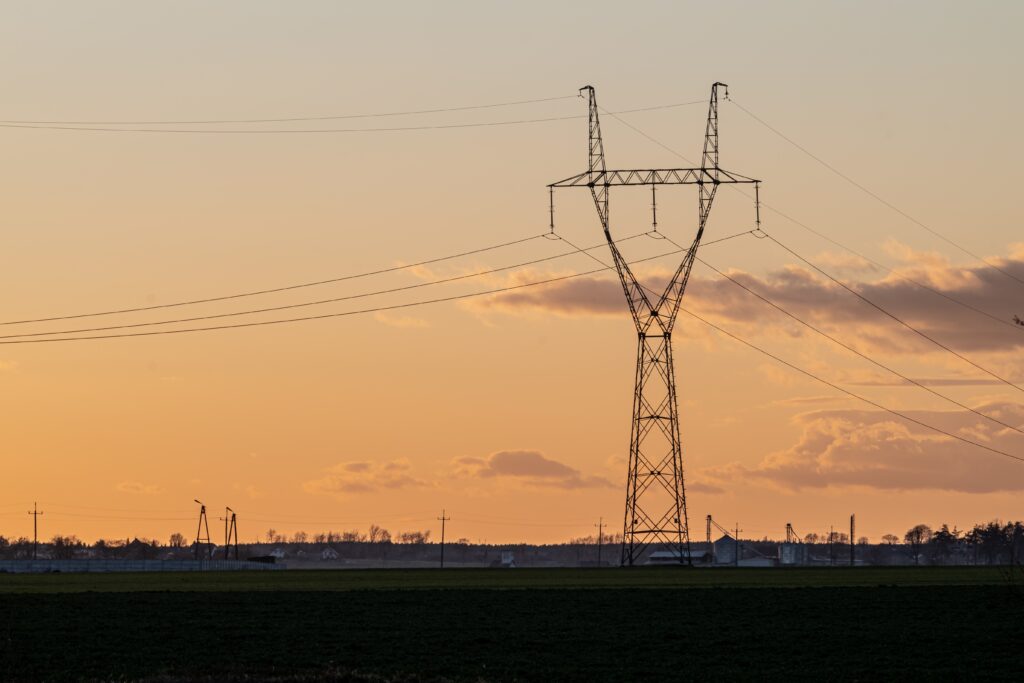
The stakes are much higher than kilowatt-hours. For inexpensive energy, climatic resilience, and to relieve reliance on foreign reserves, solar must be scaled. However, Pakistan runs the risk of becoming a two-tiered energy system in the absence of equitable changes, where poor groups pay escalating rates while wealthy households profit most from solar. Energy justice could be advanced and growth maintained with targeted policies like flexible tariff structures, cost-sharing plans, and grid upgrades.
In order to ensure the advantages of the solar boom, governments need to:
- Fair reform, not deterrent, is needed for net-metering.
- In high-solar regions, make an investment in transmission upgrades.
- Use demand-side rewards to even out load trends.
- Encourage solar + storage models at the community level to increase access.
International case studies, such as Brazil’s distributed generation and India’s solar parks, provide models that Pakistan can follow. Pakistan can guarantee that its solar boom not only supplies electricity to homes and businesses but also enhances national energy equity and resilience with careful policies.