
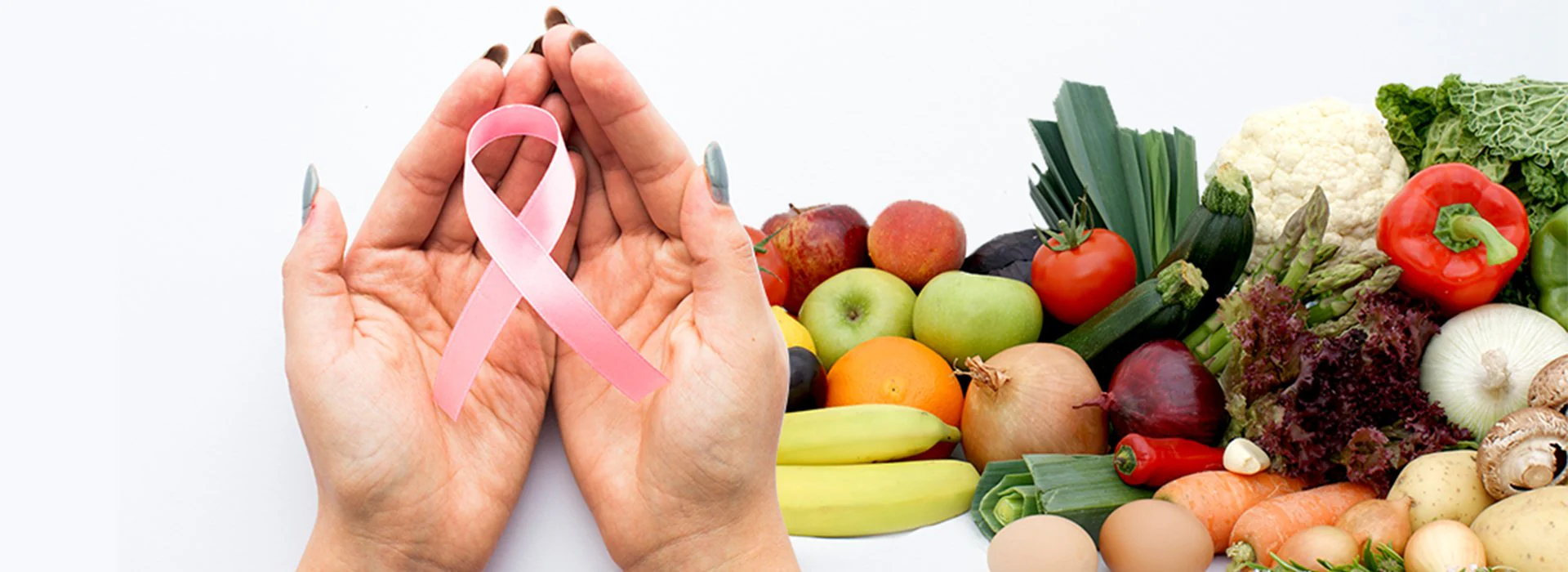
When we talk about breast cancer, our minds often go straight to hospitals, treatments, and awareness walks. But one of the most powerful tools we have to fight this disease starts much earlier — on our plates.
In Pakistan, where awareness about healthy eating is still limited and fast food is becoming more accessible than fresh food, we have to ask some serious questions. How much of what we eat is increasing our risk of breast cancer? And more importantly, how can we use food as a shield rather than a risk?
The food we eat matters more than we think
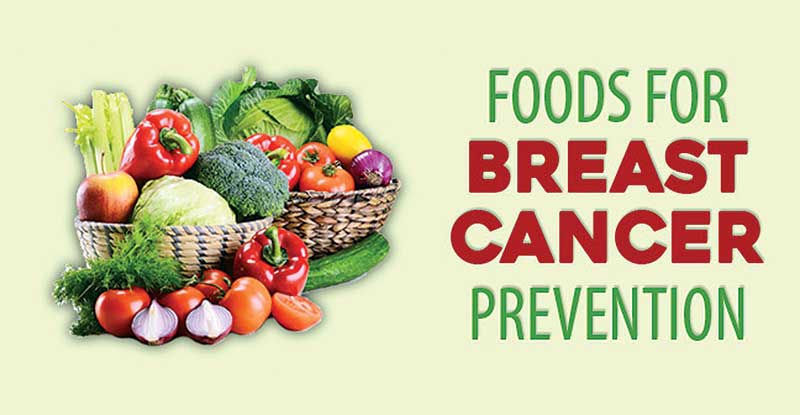
Research shows a clear link between unhealthy diets and increased cancer risk. Diets high in processed foods, sugar, and unhealthy fats can increase inflammation and hormonal imbalances, which are known risk factors for breast cancer. On the other hand, diets rich in fruits, vegetables, fiber, and essential nutrients can help build our body’s natural defenses.
But what about our own context in Pakistan? Many women do not have access to balanced meals. In low-income areas, meals often consist of starchy staples and very little protein or fresh produce. This is where the problem starts.
Taking the message to the community
We need to shift our approach from clinics to communities. Nutrition awareness has to reach the streets, schools, homes, and even corner shops. Simple strategies like cooking demonstrations, grocery guides, and food label reading sessions can make a big difference. The goal is not to complicate but to simplify. Teach people how to make small changes like reducing fried food, cutting down sugary drinks, and adding a few more vegetables to the plate.
Merging nutrition with screening
At Pink Ribbon, we have seen the power of early detection campaigns. But imagine if those same sessions also taught women about what to eat to protect their health. When women come in for awareness or screenings, we can give them nutritional advice they can actually follow. A few minutes of guidance could go a long way in prevention.
Frontline workers need the right tools
Our health workers are already doing so much from raising awareness to guiding women toward diagnosis. But many of them are not trained in basic nutrition. A small investment in training them can create a large ripple effect. Imagine thousands of workers across Pakistan spreading the message of healthy eating as part of their daily routine.
The challenge of unhealthy habits
The biggest obstacle is not just poverty, it is also habit. Many women in low-income areas are used to cooking with a lot of oil, overcooking vegetables, or relying on tea and bread as their main meals. These patterns have been passed down for generations. To change this, we need patience, community support, and consistent education.
Investing in food is investing in health
Can we create food subsidies that encourage the consumption of fresh produce? Can school lunch programs focus on better nutrition for young girls? Yes, and we must. A well-nourished girl today can be a strong woman tomorrow. Cancer prevention does not start in hospitals. It starts in school cafeterias and home kitchens.
Working together for healthier futures
This is not a job for the health sector alone. We need agriculture, education, and health departments working hand in hand. Farmers can grow better produce. Schools can teach students about healthy food. Hospitals can provide dietary support during treatment. Everyone has a role to play.
In the fight against breast cancer, food is not just fuel. It is medicine. It is prevention. And most of all, it is hope.
Let us nourish our women with the right knowledge and the right food. Because what we eat today shapes the health of our nation tomorrow.