
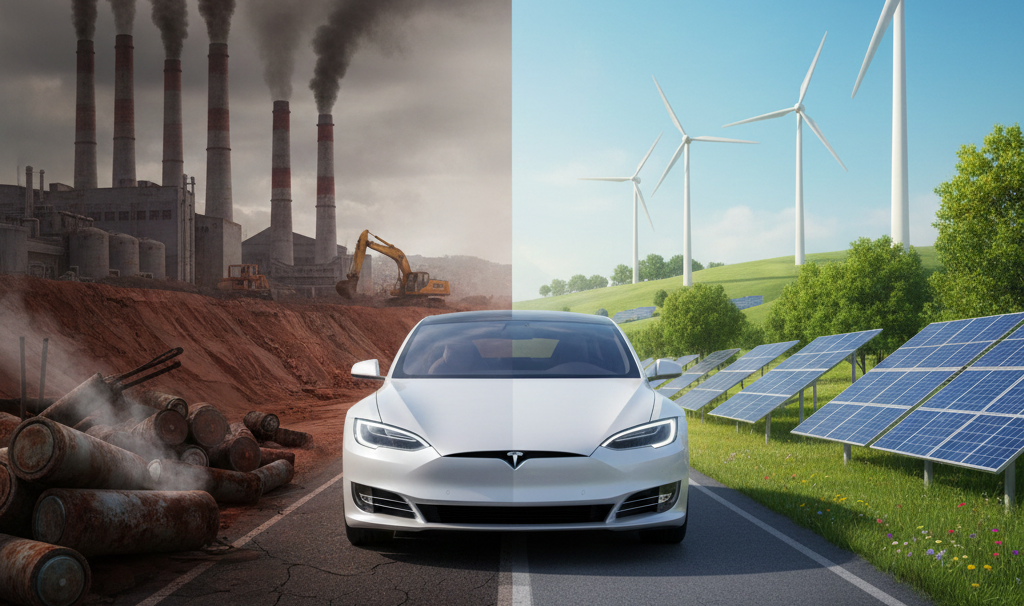
Electric vehicles are often sold as the future of clean transportation. But many people still ask a fair question. Are EVs actually better for the environment, or is it just good marketing?
The honest answer comes from looking at the whole journey of a car, not just what comes out of the exhaust. Let’s talk about the so-called green paradox of electric vehicles in plain language.
The Carbon Cost at the Start
There’s no denying it. Making an electric vehicle creates more emissions than building a petrol car. The biggest reason is the battery. Mining materials like lithium, cobalt, and nickel takes a lot of energy and resources.
Because of this, an EV can roll off the factory floor with a carbon footprint that is roughly 30 to 40 percent higher than a conventional car. This is the part critics often focus on, and they are not wrong.
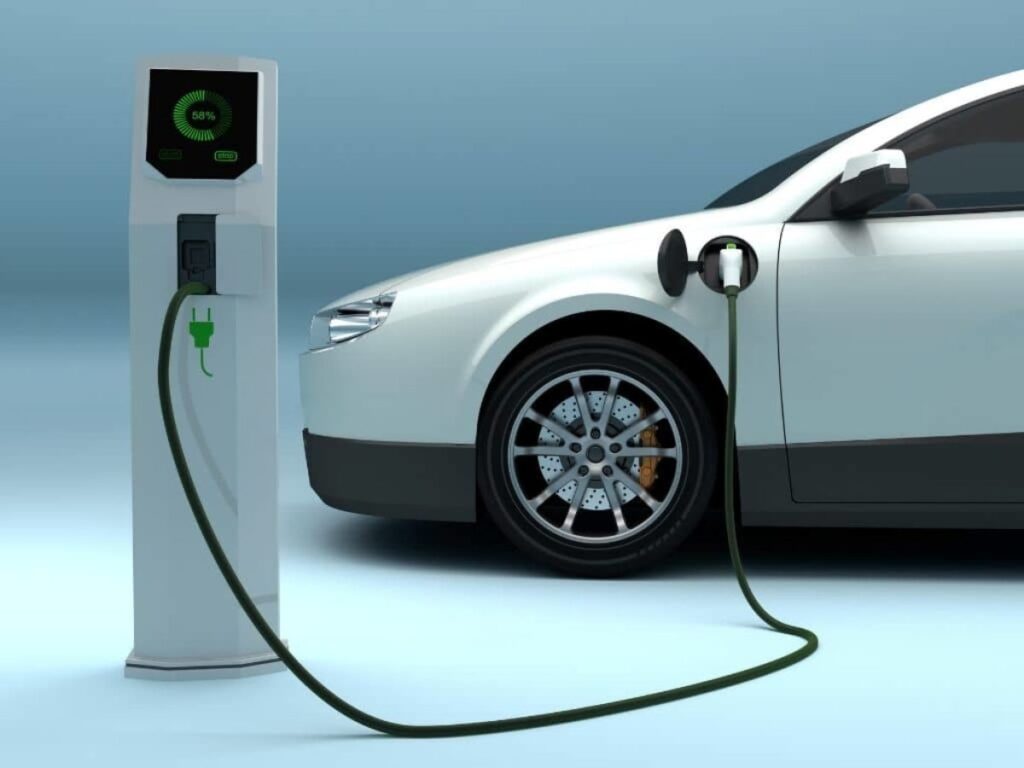
What Changes Once You Start Driving
This is where the picture shifts.
Electric motors are incredibly efficient. More than 85 percent of the energy they use actually moves the car. Petrol engines, on the other hand, waste most of their energy as heat.
Even when electricity comes from fossil fuels, large power plants are still cleaner and more efficient than millions of individual car engines running every day. And as power grids slowly move toward solar, wind, and other renewables, electric cars become cleaner automatically. The car does not need to change. A petrol car never gets that benefit.
When EVs Catch Up
So when does an electric car make up for its higher manufacturing emissions?
Research shows that most EVs reach this break-even point after about 15,000 to 40,000 miles, depending on how clean the electricity is where they are charged. After that, every mile driven is a real environmental win compared to a petrol car.
Burned Fuel vs Reusable Batteries
Petrol is used once and gone forever. Batteries are different.
Modern recycling technology can recover up to 95 percent of valuable battery materials. This means fewer raw materials need to be mined in the future and far less waste ends up in landfills.
The Real Takeaway
Electric vehicles are not perfect. They are not a magic fix for climate change. But when you look at their full lifespan, they are clearly cleaner than traditional cars.
Think of the battery as an upfront environmental investment. It costs more at the beginning, but it starts paying off after just a few years of driving.
When we look at the long term, the message is simple. Electric mobility is not flawless, but it is a meaningful step in the right direction.